
Getting your system ready before the first heat wave
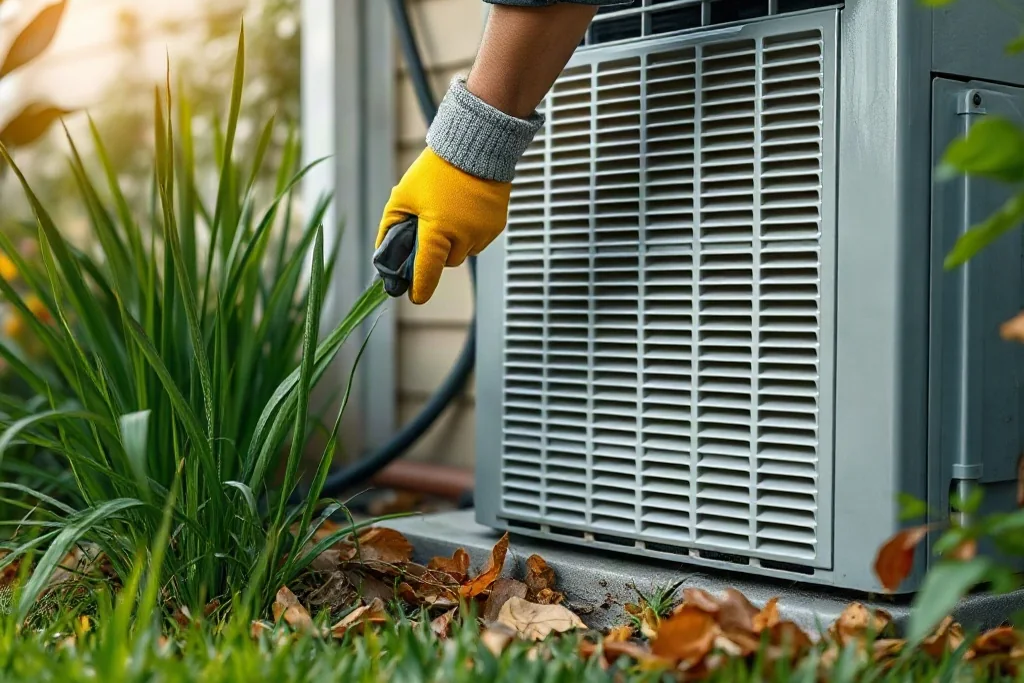
The best time to find a cooling problem is a mild April afternoon, not the first ninety-degree day when every technician in the city is booked solid. A short checklist in spring avoids that trap.
This covers the jobs you can do yourself, the ones that need a technician, and how to test the system early enough that any fault is still a convenience rather than an emergency.
The jobs a homeowner can safely do
Filter changes, keeping the outdoor unit clear, flushing a condensate drain where it is accessible, and trimming vegetation are all sensible homeowner tasks. None of them requires opening a refrigerant circuit or touching a gas line.
Everything involving gas, combustion, refrigerant or live electrical work belongs to a licensed technician. Knowing where the line sits is what keeps maintenance cheap and safe rather than turning it into a project.
Filters, coils and the two airflow rules
Two rules cover most airflow problems: the filter must be clean, and the coil must be clear. Airflow is the shared foundation of heating, cooling, humidity control and efficiency, and both rules protect it directly.
Neither job is difficult, and together they prevent a large share of the failures a technician is called out to fix. A system running with restricted airflow works harder, runs hotter or colder than designed, and ages faster.
Recording readings so problems show early
A reading you take today is only useful if you have one to compare it against. Run times, static pressure, temperature split and amperage readings all become meaningful when they are tracked across seasons.
Ask the technician to note what was measured, keep the paperwork, and mention any change you have noticed. A slowly drifting number explains odd behaviour long before it becomes a breakdown.
- Change the filter on a regular schedule, all year.
- Book cooling service in spring and heating service in autumn.
- Keep the outdoor unit clear of leaves, grass and snow.
- Keep every service report together so trends are visible.
Preparing the system before the first heat
The worst time to discover a cooling problem is the first ninety-degree afternoon, when everyone else has the same problem. A spring visit fits into a quiet calendar and finds issues while parts and appointments are easy to get.
Change the filter, clear the outdoor unit and book the service before the season, not during it. The system will be ready, and you will not be competing for attention with the rest of the city.
| What you notice | What it usually means | What to do |
|---|---|---|
| Service before cooling season | Coil, drain, charge and airflow | Spring, before the first hot week |
| Service before heating season | Burners, exchanger, flue and controls | Autumn, before the first cold night |
| Filters | Airflow and equipment protection | Monthly checks, replace when loaded |
| Outdoor unit clearance | Airflow in both seasons | Keep sides and top permanently clear |
Winter preparation for a gas furnace
Before the heating season, confirm the filter is clean, the thermostat works, the burners are clean and the flue is clear. Test the heat at the start of autumn so that any problem appears on a mild day rather than a freezing one.
Turn the heat on for a full cycle and note the smell. A little dust burning off is normal on first use; anything that smells like gas, oil or exhaust is not, and the system should be shut down and inspected.
Keeping the outdoor unit clear all year
The outdoor unit is the least attractive part of the system and the easiest to neglect. Leaves, grass clippings, cottonwood, snow drifts and stored items all block airflow, and the same coil serves both heating and cooling.
Walk around it once a month, trim plants back, and keep the top and sides clear. This single habit protects the compressor in summer and the heat pump's efficiency in winter for almost no effort.
Deciding when a system is beyond maintenance
Maintenance keeps a healthy system healthy; it cannot rescue equipment that is failing mechanically. When repairs multiply, efficiency drops and parts become hard to find, the money is better spent on the next system than on the last one.
Age, refrigerant type, repair history and comfort are the signals. A system that needs a significant repair every season is telling you the answer, and planning its replacement on your own terms is cheaper than reacting to a failure.
Why seasonal service beats emergency repair
A breakdown almost never starts on the day it happens. Capacitors weaken, coils foul, burners drift rich and drains clog slowly, and a technician looking at the system on a scheduled visit sees all of it while there is still time.
Emergency calls cost more, happen at the worst moment and leave less room for choice. A seasonal visit converts a surprise into a decision, which is worth more than most of the individual adjustments made during the visit.
A four-season maintenance calendar
Spring is for cooling: clean the outdoor coil, flush the drain and check the charge before the first heat. Autumn is for heating: burners, flame, heat exchanger and flue before the first cold night. Filters run all year on their own schedule.
Summer and winter are for observation rather than intervention — watching run times, listening for new noises and noting any room that stops keeping up. That habit turns vague discomfort into a specific question for the next service visit.
When to call a technician instead of waiting
Call when a fault repeats, when a smell or noise is new, when the house stops keeping temperature, or when water appears where it should not. Waiting rarely saves money on any of those.
Call immediately for gas smells, exhaust smells or repeated safety lockouts. Those are not maintenance items, and no amount of routine cleaning makes them safe to postpone.
Why the filter is the cheapest maintenance there is
A filter costs little and protects everything downstream: the blower, the coils, the drain and the compressor. Changing it on schedule is the highest-return minute of maintenance a homeowner can spend.
Keep a spare on the shelf so the job does not wait for a shopping trip. The delay is what turns a cheap filter into an expensive airflow problem.
Read next
A simple seasonal HVAC maintenance calendar
What to do in spring, summer, autumn and winter so nothing is left to the last cold night.
What a professional tune-up visit includes, step by step
From the thermostat to the outdoor unit: the sequence a thorough service call should follow.
Why regular service pays off: the repairs you avoid
How small, cheap adjustments head off the failures that turn into a full replacement.