
Home › Repairs & Troubleshooting
Noises your HVAC system makes and what they usually mean
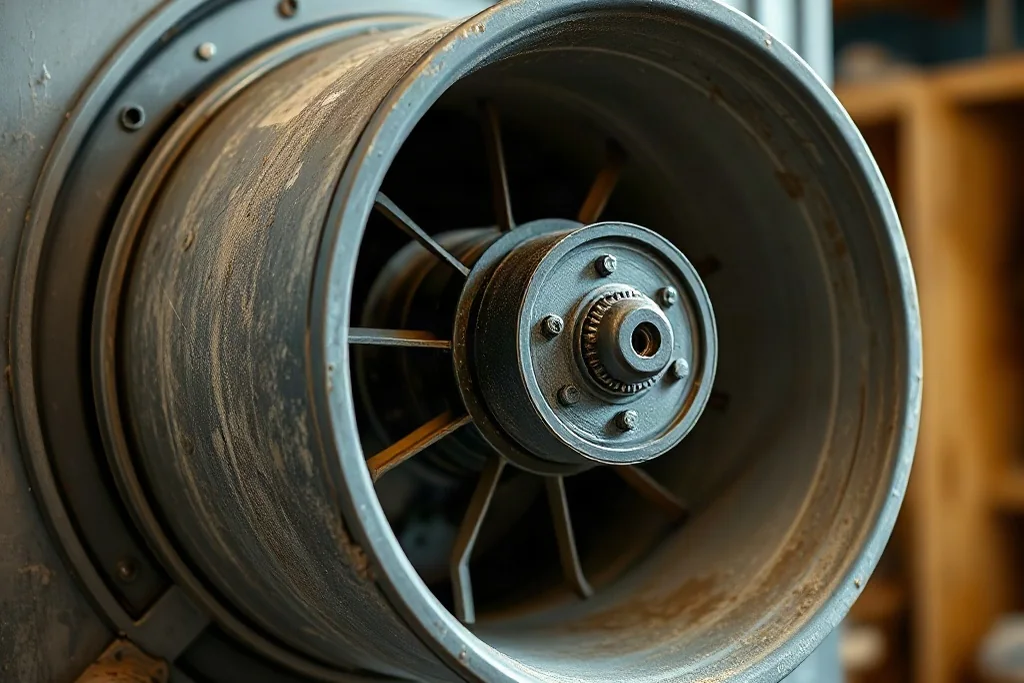
Heating and cooling equipment makes noise, and most of it is normal — up to a point. The useful question is not whether it makes noise, but whether the noise is new and whether performance changed with it.
This maps the common sounds to the parts that usually produce them, so a banging, squealing or rattling system gives you a better starting point than a vague worry.
Noises and the parts that make them
Banging on start-up often points to a blower or motor issue, squealing to a bearing or belt, rattling to a loose panel, and a rhythmic click to a control or a capacitor straining. Each sound has a short list of usual suspects.
The useful question is whether the noise is new and whether performance changed with it. A new noise plus reduced heating or cooling is a fault; an old noise with unchanged performance is usually mechanical wear worth monitoring.
Water where it should not be
Water around an indoor unit in summer almost always means the condensate drain is blocked or the pan is overflowing. In winter, on a heat pump, water or ice under the outdoor unit during defrost is usually normal.
Trace where the water appears and which mode the system was in. A blocked drain is simple to clear and expensive to ignore, because the alternative is water in the ceiling or a safety switch that shuts the system down.
Short cycling and repeated shutdowns
Short cycling means the system starts and stops far more often than it should. It can come from an oversized unit, a thermostat placed badly, a restricted filter, a failing capacitor or a safety control doing its job.
The pattern matters: if it cycles quickly on start-up it is often a control or safety limit, while cycling after reaching temperature points more to sizing or thermostat issues. Either way, more cycling means more wear on the compressor.
- Check thermostat, breaker, filter, service switch and outdoor unit first.
- Describe what the system does, not only what you feel.
- Treat gas, exhaust or burning smells as an immediate call-out.
- Ask for the cause and the readings behind any repair quote.
A system that runs but never satisfies
When the equipment runs continuously and the house still misses the setting, the problem is usually capacity or a barrier, not a lack of effort. Restricted airflow, a dirty coil, a low charge or a duct leak can all leave a system working hard for nothing.
Check the simple things first: filter, registers, outdoor unit. If those are clear and the house still will not reach temperature, the cause is in the sealed circuit, the controls or the ductwork, and it needs measurement rather than guesswork.
| What you notice | What it usually means | What to do |
|---|---|---|
| Banging or squealing | Blower, bearing or belt | Treat new noise with changed performance as a fault |
| Clicking and no start | Control or capacitor | Note the pattern of the clicks |
| Repeated shutdowns | Safety control operating | Find the cause, do not just reset |
| Water in the wrong place | Drain or pan problem | Clear the drain and check the slope |
Thermostat trouble that is not the thermostat
Thermostats are usually blamed and rarely guilty. A thermostat that loses its program, reads the wrong temperature or fails to call for cooling is often reacting to wiring, a transformer, a control board or a sensor placed in a bad spot.
Before replacing the thermostat, check the batteries where applicable, confirm the settings and the schedule, and look for a recent change — a new light fixture, a draught or a piece of furniture can all throw the sensor off.
When two thermostats fight each other
Zoned systems use dampers and separate thermostats, and the zones compete for the same equipment. One zone calling for heat while the other calls for cooling leaves the system unable to satisfy either, and the equipment cycles without a clear winner.
The fix is usually in the zone panel, the damper motors or the thermostat configuration rather than in the equipment itself. Zones work well when the setbacks are similar and the dampers are actually moving.
Repair or replace: the four questions
Four questions settle most repair-or-replace decisions: how old is the system, what share of its expected life is left, what does the repair cost, and how long do you plan to stay in the house. Each has a concrete answer.
A significant repair on a system near the end of its life is usually poor value, while the same repair on a newer unit is obviously worthwhile. Refrigerant type and part availability tip close calls toward replacement.
Safety faults that stop being a wait and see
Gas leaks, exhaust smells, repeated furnace shutdowns, scorched wiring and suspected carbon monoxide are safety faults, and the response is the same in every case: stop the equipment, ventilate and leave it to a licensed technician.
A system that keeps locking out is protecting you, not misbehaving. Repeatedly resetting it without finding the cause removes a safety layer and turns a repair into a risk.
How to describe a fault clearly
A clear description saves time and money: what the system does, when it does it, how long it has done so, and what changed just before. 'It will not cool' is a starting point; 'it runs for ten minutes, stops for twenty and the vents feel warm' is a diagnosis waiting to happen.
Note the settings, the outdoor temperature and whether the fan runs when the compressor does not. Those details often narrow the cause before a technician arrives, which shortens the visit and the bill.
Why resets are not repairs
A safety control that keeps locking out is doing its job. Resetting it repeatedly removes the protection without addressing the cause, and the cause is what will eventually cause damage or a hazard.
One reset in an unusual situation is reasonable. A pattern of resets means the system is telling you something specific, and it needs to be found rather than silenced.
What a diagnostic visit should produce
A diagnostic visit should end with a stated cause, the evidence for it and a clear choice of repairs with relative costs. If a quote arrives without a cause, the diagnosis has not been finished.
Ask which readings support the conclusion and whether the repair addresses the cause or only the symptom. A well-run call leaves you able to explain the problem to someone else.
Read next
Strange smells from the furnace: which ones matter
Dust burning off is normal; gas, oil, plastic or exhaust smells are not. Here is how to tell them apart.
One system, two thermostats: getting zones to agree
How zoning and a single thermostat fight each other, and how to set them up so rooms stop competing.
Repair or replace? A straight way to decide
Age, repair cost, efficiency and how long you plan to stay — the four things that settle the question.